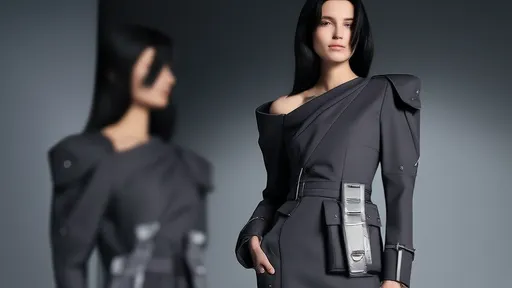
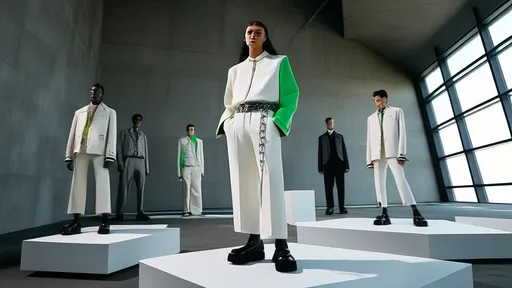
The fashion world has long looked to Paris, Milan, and New York as its traditional powerhouses, but in recent years, a new contender has emerged from the East with undeniable force. Shenzhen Fashion Week, once a regional event, has rapidly evolved into a global phenomenon, showcasing the bold, innovative spirit of China’s new wave of designers. What sets this fashion week apart isn’t just its scale or glamour—it’s the raw, unfiltered creativity that challenges conventions and redefines what it means to be "Made in China."
This year’s edition was nothing short of a revelation. Held against the backdrop of Shenzhen’s futuristic skyline, the event became a melting pot of avant-garde aesthetics and cutting-edge technology. Designers presented collections that blurred the lines between fashion, art, and digital innovation, proving that Shenzhen is no longer just a manufacturing hub but a breeding ground for visionary talent. The energy was palpable, with each runway show feeling like a manifesto for the future of design.
Breaking Boundaries with Bold Aesthetics
One of the most striking aspects of Shenzhen Fashion Week is its fearless embrace of experimentation. Unlike more established fashion capitals where tradition often dictates trends, Shenzhen’s designers operate with a sense of freedom that borders on rebellion. Take, for instance, the breakout collection by emerging designer Li Wei, whose fusion of traditional Chinese silhouettes with cyberpunk elements left audiences in awe. His use of luminous fabrics and modular designs wasn’t just clothing—it was wearable art that spoke to a generation navigating the intersection of heritage and hyper-modernity.
Another standout was the label Nova Studios, which debuted a line entirely constructed from sustainable, lab-grown materials. Their show, set in a simulated digital forest, highlighted how Shenzhen’s designers are not only pushing creative boundaries but also leading the charge in eco-conscious fashion. The collection’s intricate, nature-inspired patterns—rendered in biodegradable textiles—were a testament to the city’s dual commitment to innovation and sustainability.
The Digital Revolution on the Runway
Shenzhen’s identity as China’s tech epicenter was impossible to ignore. Many designers integrated augmented reality (AR) and virtual reality (VR) into their presentations, creating immersive experiences that transcended the physical runway. At the show by MetaThread, attendees donned VR headsets to witness models strutting through a holographic metropolis, their outfits morphing in real-time based on digital interactions. It was a glimpse into a future where fashion exists as much in the virtual realm as it does in the tangible world.
This seamless blend of technology and design underscores a broader shift in the industry. Shenzhen’s designers aren’t just adapting to the digital age—they’re shaping it. From AI-generated patterns to blockchain-verified authenticity tags, the innovations on display were as much about the process as they were about the final product. It’s this forward-thinking approach that has positioned Shenzhen as a beacon for the next generation of global fashion.
A Platform for New Voices
What makes Shenzhen Fashion Week truly unique is its emphasis on inclusivity. While other fashion weeks often cater to established names, Shenzhen has become a launchpad for fresh talent. This year, over half of the participating designers were under 30, many of whom had never shown outside China before. The organizers’ commitment to nurturing these voices was evident in the "New Blood" segment, a dedicated showcase for up-and-coming creators.
Among them was Chen Yulan, a recent graduate whose gender-fluid collection challenged societal norms with its deconstructed tailoring and bold color palettes. Her work, along with others in the segment, highlighted how Shenzhen is fostering a new design language—one that prioritizes individuality and cultural dialogue over commercial appeal. This focus on emerging talent ensures that the city’s fashion scene remains dynamic and unpredictable, a far cry from the homogenized trends dominating other runways.
The Global Ripple Effect
The impact of Shenzhen Fashion Week extends far beyond China’s borders. International buyers and press have taken notice, with many hailing it as the most exciting development in fashion today. The city’s unique blend of creativity, technology, and entrepreneurial spirit has created a blueprint for what a 21st-century fashion hub should look like. As the industry grapples with questions of sustainability, diversity, and digital transformation, Shenzhen’s designers are providing answers—one groundbreaking collection at a time.
In just a few short years, Shenzhen Fashion Week has transformed from a local event into a global movement. It’s a testament to the city’s ability to reinvent itself and a reminder that the future of fashion isn’t being written in the ateliers of Europe or America—it’s being coded, stitched, and dreamed up in the studios of Shenzhen. As the world watches, one thing is clear: this is only the beginning.
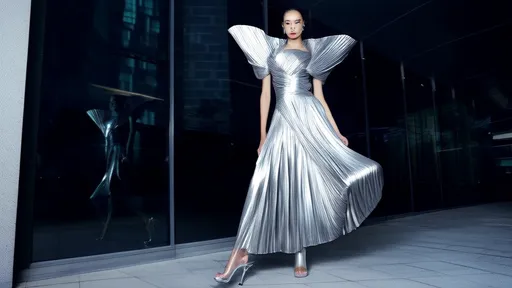
The intersection of athletic functionality and evening wear elegance has birthed one of fashion's most compelling contemporary hybrids: the performance evening gown. Where once these two worlds existed in separate sartorial universes, designers now weave technical fabrics into lavish silhouettes with the precision of couturiers and the ingenuity of engineers. This sartorial alchemy doesn't simply layer sportswear elements over formalwear - it reimagines the very architecture of glamour through the lens of movement.
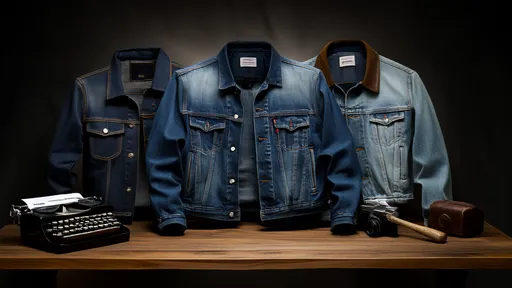
The denim jacket stands as one of fashion’s most enduring silhouettes, a garment that has weathered shifting trends while maintaining its rebellious spirit. What began as utilitarian workwear in the late 19th century has evolved into a cultural touchstone, with each decade leaving its mark on the classic design. From its origins in the American West to its adoption by countercultural movements, the denim jacket’s journey reflects broader societal changes, making it far more than just a piece of clothing.
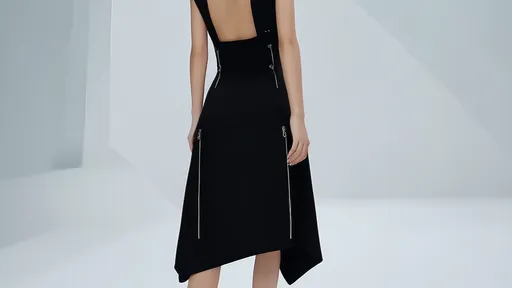
The fashion world is buzzing with the latest innovation in wardrobe staples: the redefined little black dress (LBD) featuring adjustable-length magnetic design. This groundbreaking approach to a timeless classic is set to revolutionize how women interact with their most trusted garment. Gone are the days of owning multiple LBDs for different occasions; this single, versatile piece adapts to your needs with effortless precision.
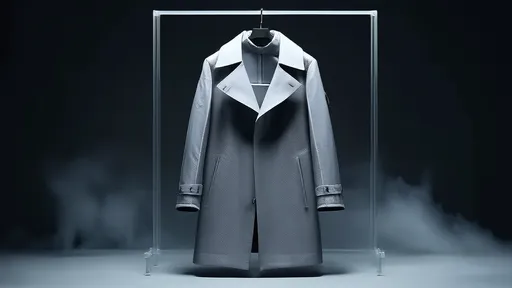
The fashion industry has long sought the perfect balance between aesthetics and functionality, particularly in outerwear. For decades, designers have wrestled with the challenge of creating lightweight, stylish coats that can withstand the elements without sacrificing form. Now, a groundbreaking innovation in textile technology promises to revolutionize the classic trench coat: paper-like waterproof coatings that defy conventional expectations of durability and performance.
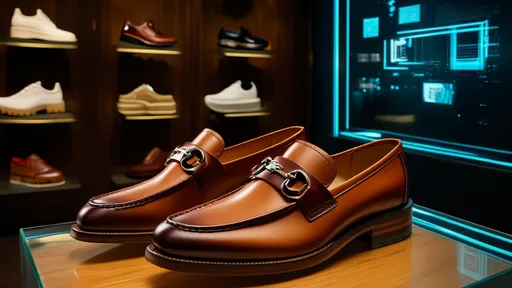
The loafer has walked a curious path through fashion history – from Ivy League campuses to Silicon Valley offices, from preppy status symbol to countercultural staple, and now into the pixelated realms of digital avatars. This slip-on shoe with its mocassin construction and heel strap has become one of footwear's most enduring shape-shifters, adapting to each era while retaining its essential DNA.
The ancient Maya civilization left behind more than just towering pyramids and mysterious glyphs - they gifted humanity with an intricate cosmic clock that continues to inspire modern design. Fashion designers and textile artists are now rediscovering the profound beauty encoded within the Mayan solar calendar, transforming its sacred geometry into contemporary patterns that bridge millennia.
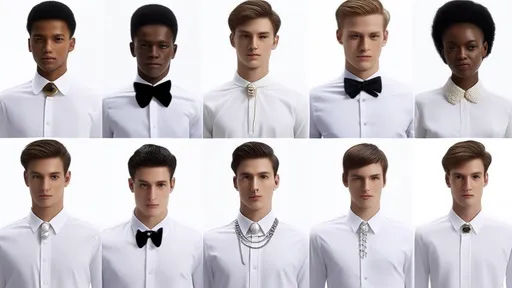
The fashion industry is witnessing a quiet revolution in menswear, where the humble white shirt is being reimagined through innovative detachable collar systems. This movement, often referred to as the "White Shirt Revolution," challenges traditional tailoring conventions by introducing unprecedented versatility to professional wardrobes. At its core lies a simple yet transformative idea: what if the most formal element of a dress shirt could be changed as easily as selecting a necktie?
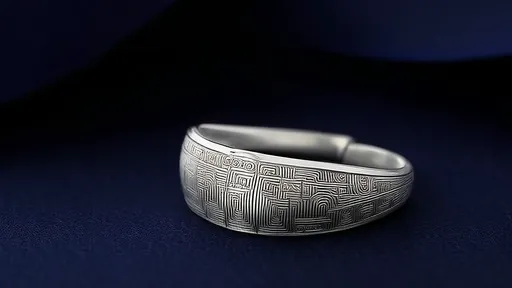
The clinking of tiny silver hammers has echoed through Guizhou's misty mountains for centuries, where Miao artisans transform precious metal into wearable poetry. Today, this ancient craft faces a paradox - how to preserve its soul while shedding unnecessary weight for contemporary life. The answer may lie in subtraction.
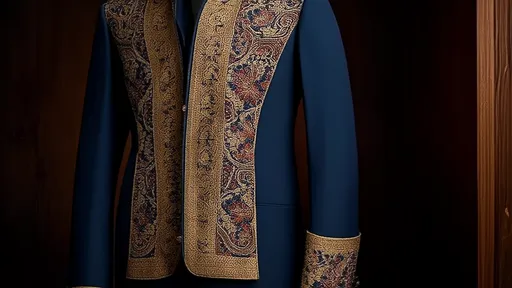
The world of fashion is no stranger to drawing inspiration from the rich tapestry of art history, but few collaborations are as visually striking as the recent trend of transplanting Persian miniature motifs onto modern suiting fabrics. This unexpected fusion of medieval Persian artistry with contemporary tailoring has created a sartorial revolution, blurring the lines between museum-quality craftsmanship and wearable art.
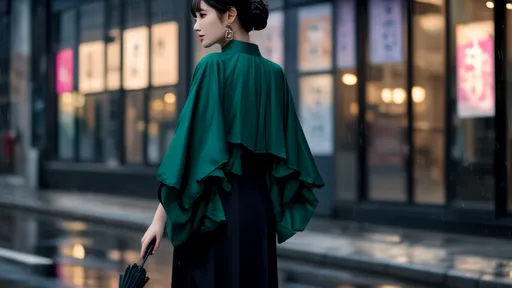
The traditional kimono, with its elegant lines and distinctive sleeve construction, has long been a source of inspiration for fashion innovators. Recently, a bold new styling technique has emerged from Tokyo's avant-garde fashion circles – transforming the kimono's signature wide sleeves into dramatic cape-like silhouettes. This sartorial alchemy breathes contemporary life into centuries-old garment architecture while preserving the garment's cultural DNA.
The rhythmic pulse of African geometry beats through generations, not in rigid Euclidean theorems but in the living language of tribal totems. Across the vast continent, from the scarified patterns of the Dinka to the fractal murals of the Bamileke, a profound visual mathematics emerges – one that distills cosmic order into minimalist forms while carrying the weight of ancestral memory.
The fashion world has long looked to Paris, Milan, and New York as its traditional powerhouses, but in recent years, a new contender has emerged from the East with undeniable force. Shenzhen Fashion Week, once a regional event, has rapidly evolved into a global phenomenon, showcasing the bold, innovative spirit of China’s new wave of designers. What sets this fashion week apart isn’t just its scale or glamour—it’s the raw, unfiltered creativity that challenges conventions and redefines what it means to be "Made in China."
The vast, sun-scorched expanse of the California desert became an unlikely cathedral of high fashion when Anthony Vaccarello presented Saint Laurent's latest collection. Against the stark beauty of this arid landscape, the creative director staged what can only be described as a masterclass in minimalist theater - one that left the fashion world reeling with its bold simplicity and raw emotional power.
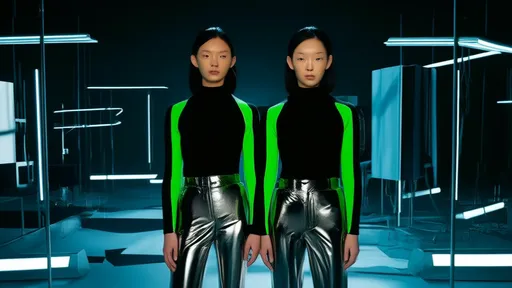
The recent Gucci Twins campaign has reignited longstanding debates about cloning aesthetics in fashion advertising. When the luxury house released its eerie twin-themed visuals featuring models with identical features moving in perfect synchronization, audiences experienced equal parts fascination and discomfort. This uncanny valley effect lies at the heart of contemporary ethical discussions surrounding the artificial replication of human beauty.
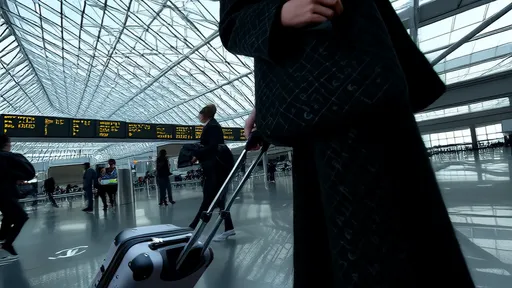
The Chanel Terminal narrative has emerged as a fascinating cultural phenomenon, weaving together the worlds of luxury fashion and the universal language of travel. At its core, this concept represents more than just a seasonal collection or marketing campaign; it serves as a powerful contemporary metaphor for mobility, transition, and the fluidity of modern identity. The airport terminal, traditionally a transient non-place, becomes transformed through Chanel's lens into a stage for sartorial storytelling where luggage tags become jewelry and boarding passes transform into accessories.
The Prada concrete runway show has once again redefined the boundaries between architecture and fashion, transforming raw industrial aesthetics into a sophisticated language of contemporary style. Against the backdrop of an unfinished brutalist space, models strode through a landscape of exposed beams and rough-hewn surfaces, their garments serving as both contrast and complement to the environment. This deliberate collision of refinement and rawness speaks volumes about fashion's evolving relationship with urban materiality.
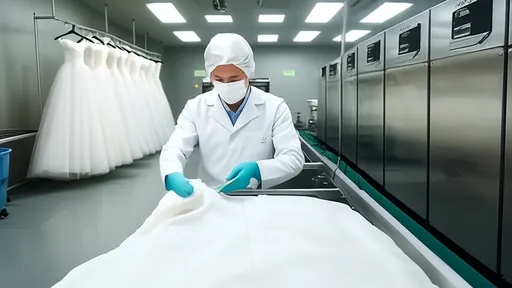
The bridal industry is undergoing a quiet revolution as sustainability becomes a priority for modern couples. Among the most significant shifts is the growing popularity of rented wedding dresses, a practice that challenges the tradition of single-use gowns. This movement isn't just about reducing textile waste—it's sparking crucial conversations about hygiene standards in garment circulation. As more brides opt for rented dresses, the need for standardized cleaning protocols has become impossible to ignore.
The luxury resale market has long grappled with the challenge of authenticity. As counterfeit goods become increasingly sophisticated, traditional verification methods often fall short, leaving buyers and sellers vulnerable to fraud. Now, a groundbreaking solution is emerging: blockchain-based authentication systems designed specifically for pre-owned luxury items. This technological advancement promises to revolutionize how we verify high-end secondhand goods while bringing much-needed transparency to the $50 billion global luxury resale industry.
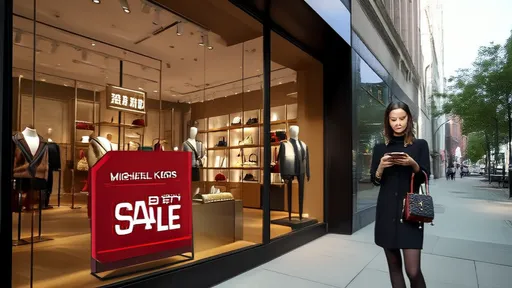
The fashion industry is witnessing a significant shift as accessible luxury brands recalibrate their pricing strategies to adapt to changing consumer behaviors. Among these brands, Michael Kors has emerged as a key player in this strategic pivot, adjusting its price points to maintain relevance in an increasingly competitive market. The move reflects broader trends in the industry, where consumers are becoming more price-sensitive without sacrificing their desire for quality and brand prestige.
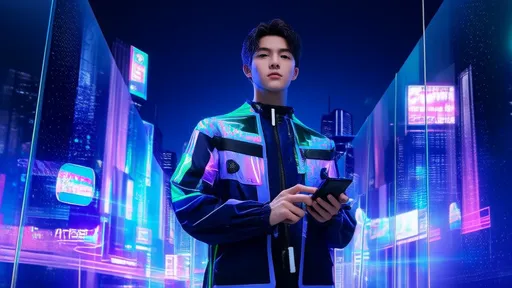
The Alpha generation, born between 2010 and 2024, is coming of age in a world vastly different from that of their Millennial or even Gen Z predecessors. As the first truly digital-native cohort, their relationship with fashion and consumption is being shaped by unprecedented technological, environmental, and social forces. Their future wardrobes won’t just reflect personal style but will serve as a canvas for broader cultural shifts.